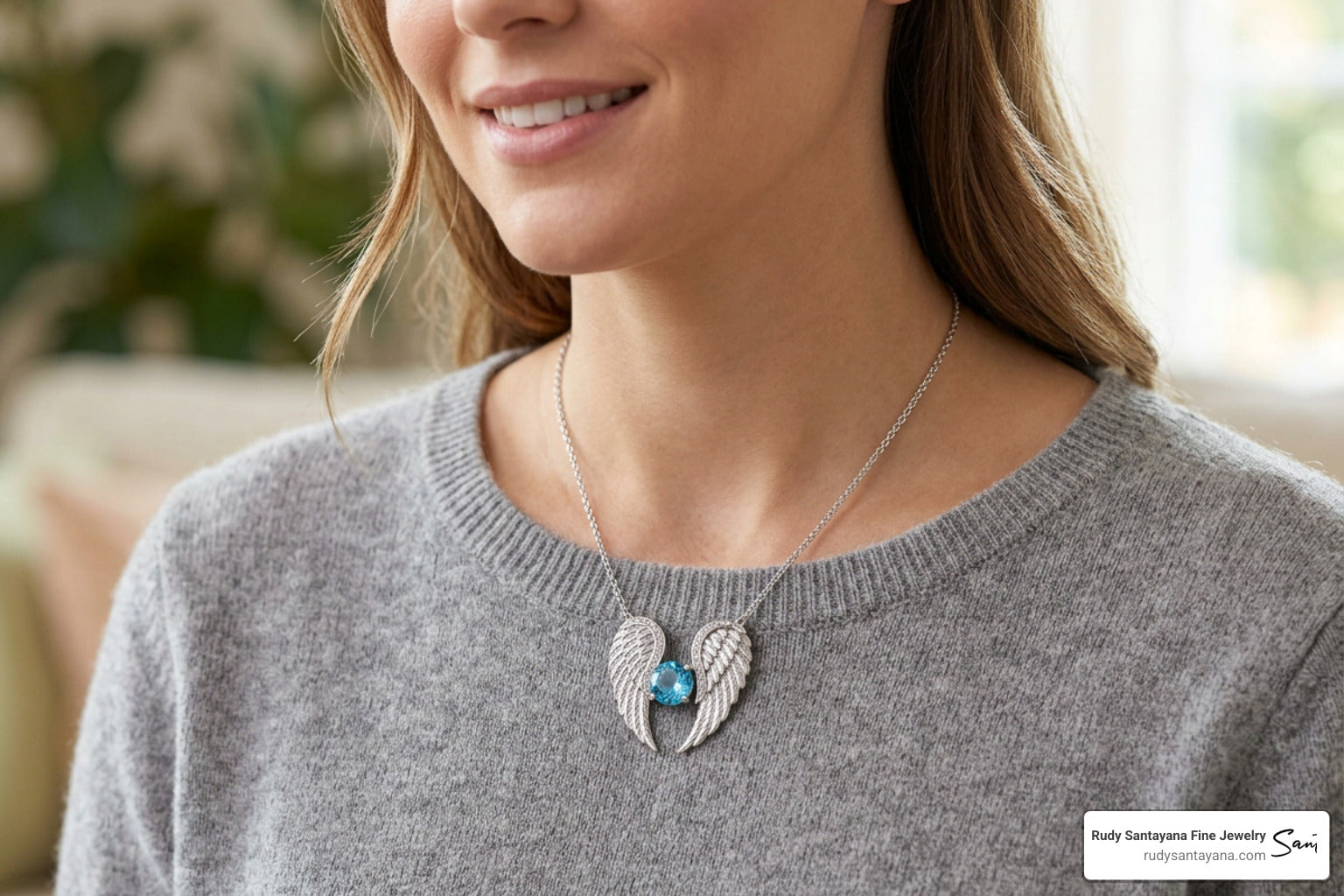
The Ins and Outs of Lab Diamond Jewelry
Lab Diamond Jewelry: Everything You Need to Know Before You Buy
Lab diamond jewelry has become one of the most talked-about shifts in fine jewelry — and for good reason.
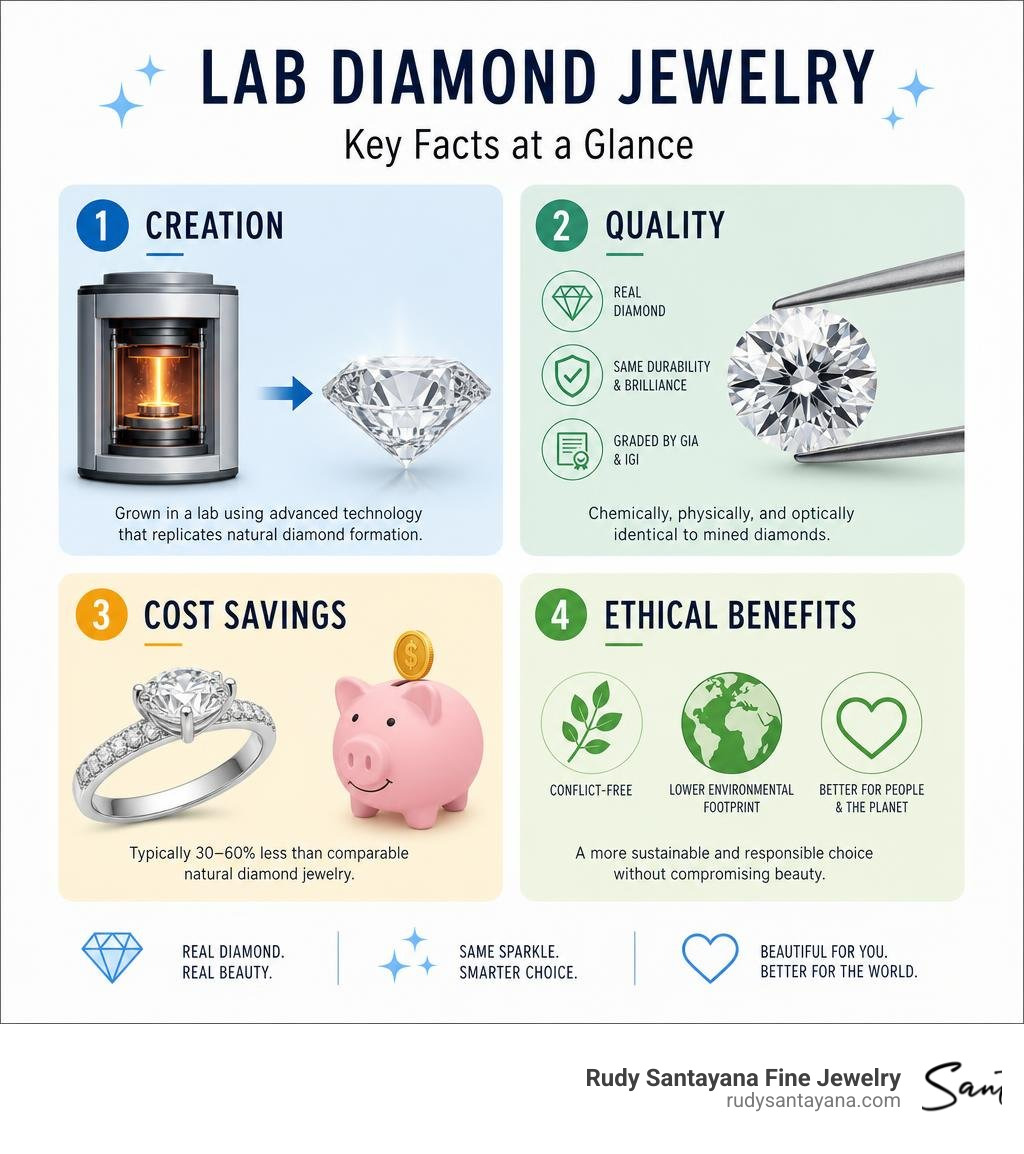
Quick Answer: What is lab diamond jewelry?
| Question | Answer |
|---|---|
| What is it? | Fine jewelry set with real diamonds grown in a lab, not mined from the earth |
| Are they real diamonds? | Yes — chemically, physically, and optically identical to mined diamonds |
| How much can you save? | Typically 30–60% less than comparable natural diamond pieces |
| Are they ethical? | Yes — conflict-free, with a significantly lower environmental footprint |
| Can you get certified pieces? | Yes — graded by GIA and IGI using the same 4Cs standards as mined diamonds |
For centuries, diamonds could only come from deep within the earth — a process taking billions of years. Today, scientists can recreate that same process above ground in a matter of weeks. The result is a diamond that is identical in every measurable way to one pulled from a mine.
That means the same breathtaking sparkle. The same 10/10 hardness. The same certification standards. Just a much friendlier price tag — and a cleaner conscience.
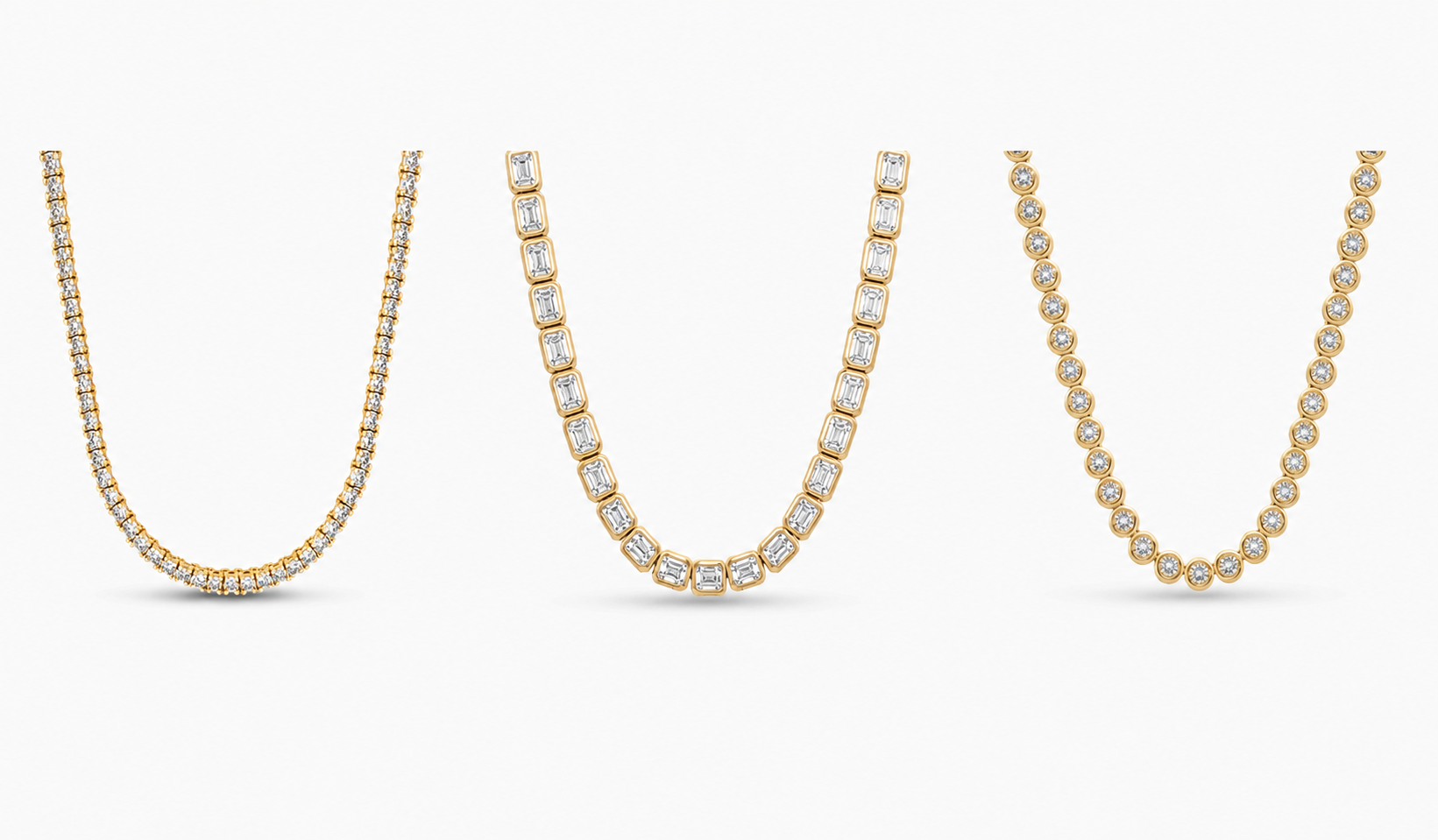
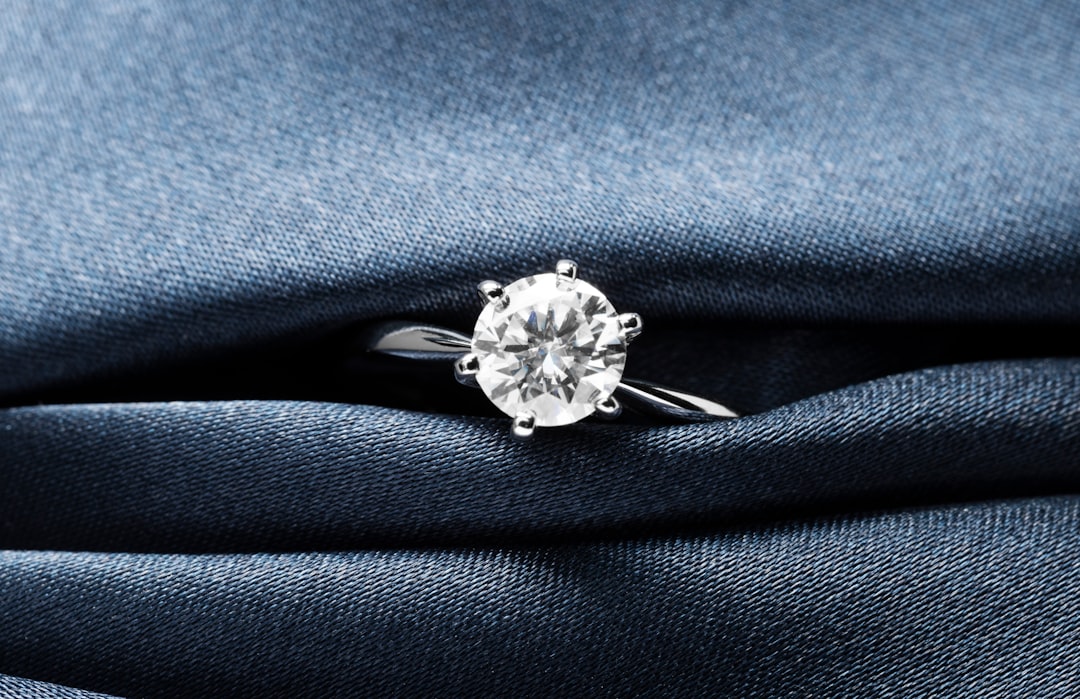
Whether you're shopping for an engagement ring, a tennis necklace, or a one-of-a-kind custom piece, lab-grown diamonds open the door to bigger, better stones without compromise. This guide walks you through everything — from how these diamonds are made to what to look for when buying, and how to care for them for a lifetime.
Science and Creation: What Are Lab-Grown Diamonds?
To understand lab diamond jewelry, we first have to demystify the science behind it. A common misconception is that lab-grown diamonds are "fake" or "simulated" diamonds, like cubic zirconia or moissanite. In reality, they are pure carbon crystals, grown under highly controlled conditions that replicate the natural geological process of the earth.
The technology behind these gems has come a long way. While the first lab-created diamonds were developed in the 1950s, they were strictly used for industrial purposes due to their small size and yellow tint. Today, in 2026, the technology has reached a point of absolute perfection, producing massive, flawless, gem-quality stones that are indistinguishable from natural diamonds to the naked eye.
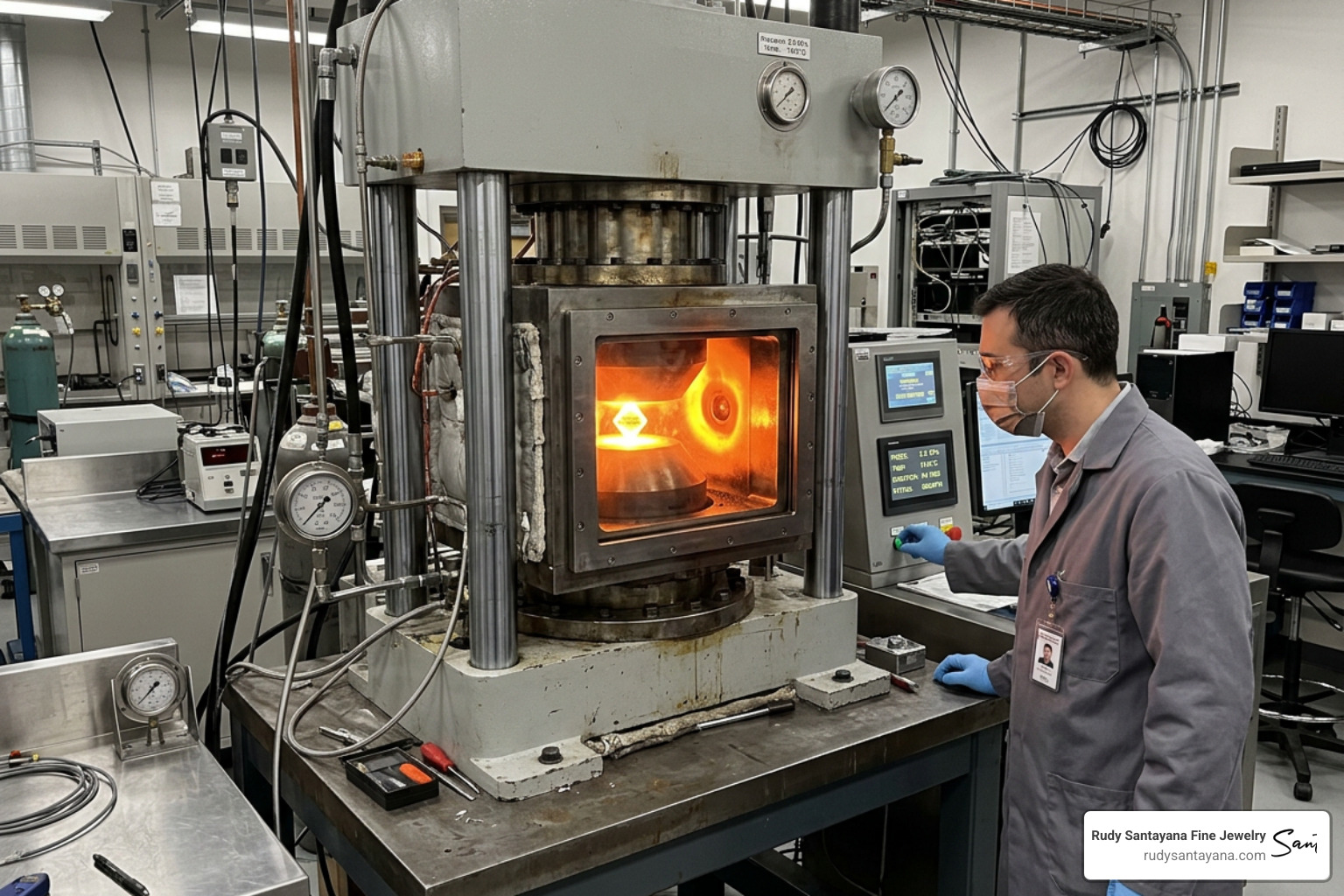
To create these stones, scientists use one of two primary methods:
- High Pressure High Temperature (HPHT): This method mimics the extreme pressure and temperature found deep within the Earth's mantle. A small diamond "seed" is placed in carbon and subjected to temperatures over 2,000°C and pressures of roughly 1.5 million pounds per square inch. Under these conditions, the carbon melts and crystallizes around the seed, growing a diamond atom by atom.
- Chemical Vapor Deposition (CVD): This highly advanced technique uses a vacuum chamber filled with carbon-rich gas (like methane). A microwave beam ionizes the gas, causing the carbon atoms to separate and precipitate onto a diamond seed plate. The carbon deposits layer by layer, growing a highly pure diamond crystal over several weeks.
At Rudy Santayana Fine Jewelry, we believe that understanding the origin of your stone adds to its modern magic. By utilizing these state-of-the-art methods, we can source stones of extraordinary quality to craft bespoke pieces. If you are curious about incorporating these marvels of modern science into your collection, you can explore our approach to Rudy Santayana Lab Grown Diamonds.
Physical and Chemical Properties
When we say lab-grown diamonds are identical to natural ones, we are speaking from a strict scientific standpoint. They share the exact same physical, chemical, and optical properties:
- Hardness: Both natural and lab diamonds rank at a solid 10 on the Mohs hardness scale, making them the hardest known material on Earth. This means your lab diamond will resist scratches and daily wear just as exceptionally as a mined stone.
- Refractive Index: Both stones measure at 2.42, which is the scientific metric for how light bends as it passes through the gem. This identical structure guarantees that a lab-grown diamond displays the exact same fiery brilliance and light scintillation.
- Thermal Conductivity: Lab diamonds disperse heat in the exact same manner as natural diamonds, which is why standard thermal diamond testers will identify a lab-grown diamond as a genuine diamond.
The Rise of Lab Diamond Jewelry: Quality, Brilliance, and Durability
The popularity of lab diamond jewelry is not just a passing trend; it represents a fundamental evolution in how we view luxury. Modern buyers are looking for jewelry that aligns with their personal values without sacrificing the classic romance of a diamond.
Because lab diamonds are grown in controlled environments, they are graded using the exact same gemological standards as mined diamonds. Independent, world-renowned institutions like the Gemological Institute of America (GIA) and the International Gemological Institute (IGI) evaluate each stone based on the classic 4Cs: Cut, Color, Clarity, and Carat weight.
To help visualize how these two origins compare, here is a breakdown of their primary characteristics:
| Characteristic | Lab-Grown Diamonds | Earth-Mined Diamonds |
|---|---|---|
| Chemical Composition | Pure Carbon ($C$) | Pure Carbon ($C$) |
| Crystal Structure | Cubic | Cubic |
| Refractive Index | 2.42 | 2.42 |
| Mohs Hardness | 10 | 10 |
| Grading Standards | 4Cs (GIA, IGI) | 4Cs (GIA, IGI) |
| Inclusions | Yes (carbon, growth traits) | Yes (feathers, pinpoints, crystals) |
| Resale Value | Lower relative to purchase price | Higher relative to purchase price |
Because the growth process is identical to nature, lab diamonds also have natural variations. They are not "perfect" by default; they can have tiny internal characteristics known as inclusions, as well as varying color grades ranging from completely colorless (D) to light yellow (Z). This means that finding the perfect lab diamond still requires an expert eye to evaluate its unique personality and sparkle.
Environmental and Ethical Sourcing Benefits
One of the most compelling reasons South Florida jewelry lovers are choosing lab-grown pieces is the peace of mind they offer. Traditional diamond mining requires moving tons of earth, which can result in deforestation, soil erosion, and disrupted ecosystems.
In contrast, lab-grown diamonds are 100% conflict-free and have a significantly smaller environmental footprint. Many top growers are transitioning to carbon-neutral facilities powered by renewable energy. Furthermore, the commitment to sustainability often extends beyond the stone itself. Much of the high-end lab diamond jewelry produced today is crafted using 96% recycled gold or platinum and packaged in biodegradable or recyclable materials.
For those interested in exploring how ethical sourcing is shaping the diamond industry, you can learn more about the strict certification standards used by modern growers through leading gemological institutions like the Gemological Institute of America (GIA) or the International Gemological Institute (IGI).
Pricing and Value Differences
The most immediate benefit of choosing lab-grown diamonds is the pricing structure. Lab-grown diamonds are typically 30-40% less expensive than earth-mined diamonds of the same size and quality. In many cases, depending on the cut and carat size, lab-grown options can be up to 50-60% less expensive.
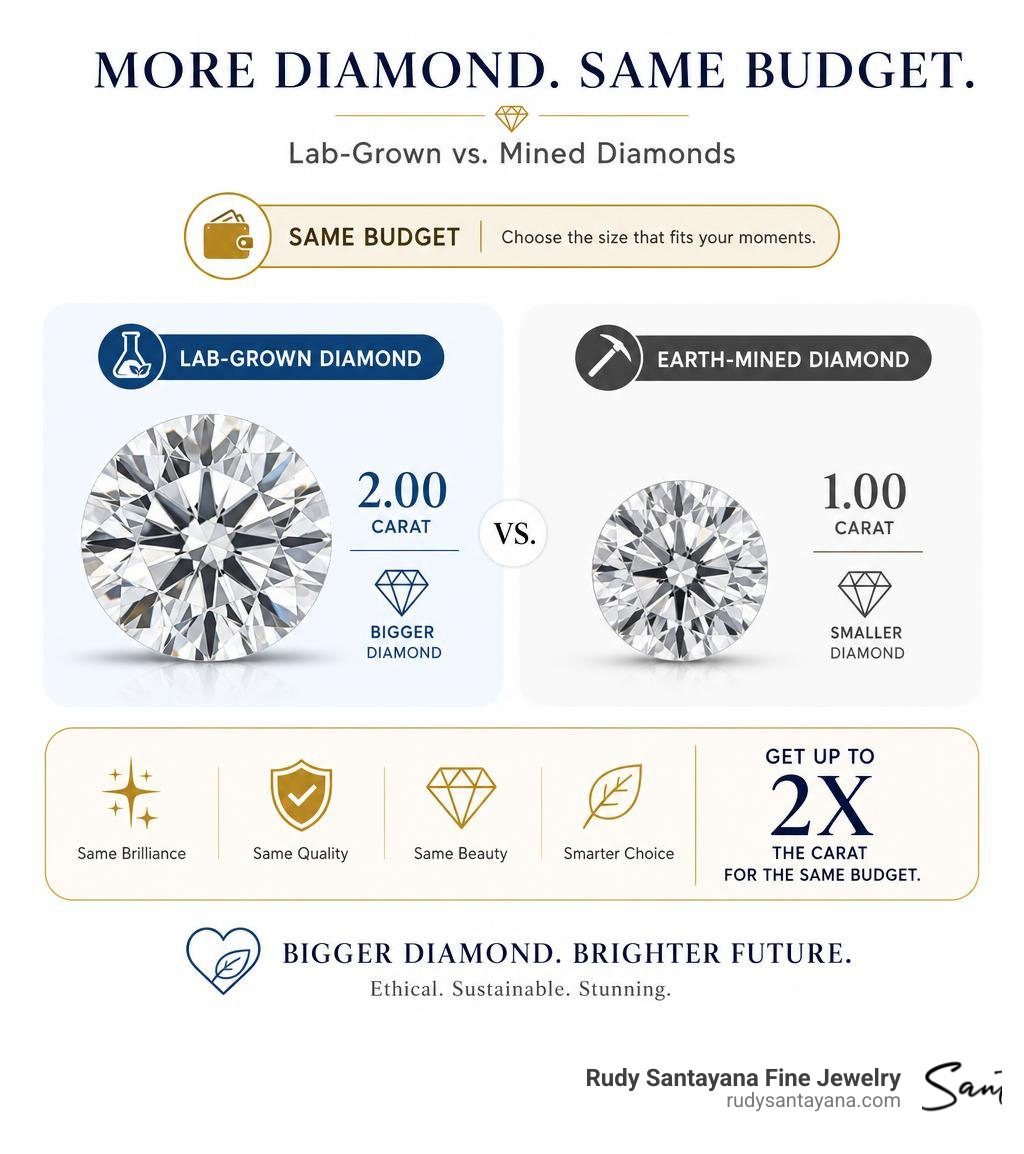
This dramatic price difference is not because lab diamonds are lower in quality. Rather, it is because their supply chain is vastly shorter and more efficient. A mined diamond passes through dozens of hands—from miners and distributors to international exporters and wholesalers—before it reaches a showroom. A lab-grown diamond is grown, cut, polished, and set with far fewer intermediaries.
This budget flexibility allows you to make your resources go much further. Instead of compromising on a smaller or lower-clarity mined diamond, you can secure a larger, flawless, or color-free lab-grown stone for the exact same budget. It allows you to allocate those savings toward other meaningful milestones, like a spectacular honeymoon or custom design upgrades.
Popular Styles, Customization, and Maintenance
Whether you are looking for a timeless classic or a bold, modern statement, lab diamond jewelry is available in every imaginable style. Because lab diamonds have the exact same structural integrity as mined diamonds, they can be cut into any shape and secured in any setting style.
In 2026, we are seeing some incredible design trends dominating the Miami and Coral Gables jewelry scenes:
- East-West Settings: Rather than setting elongated shapes like ovals, marquises, or emerald cuts vertically, designers are turning them horizontally for a fresh, architectural look.
- Bezel Settings: A sleek metal rim wraps entirely around the diamond. This is particularly popular for princess and emerald cuts because the bezel fully protects the vulnerable corners of the stone from accidental chips.
- Mixed-Metal and Mixed-Stone Designs: Combining different metal tones, or pairing lab diamonds with vibrant colored gemstones, is a massive trend. For instance, pairing a lab-grown emerald with natural diamonds creates a stunning, high-contrast look that is both modern and timeless.
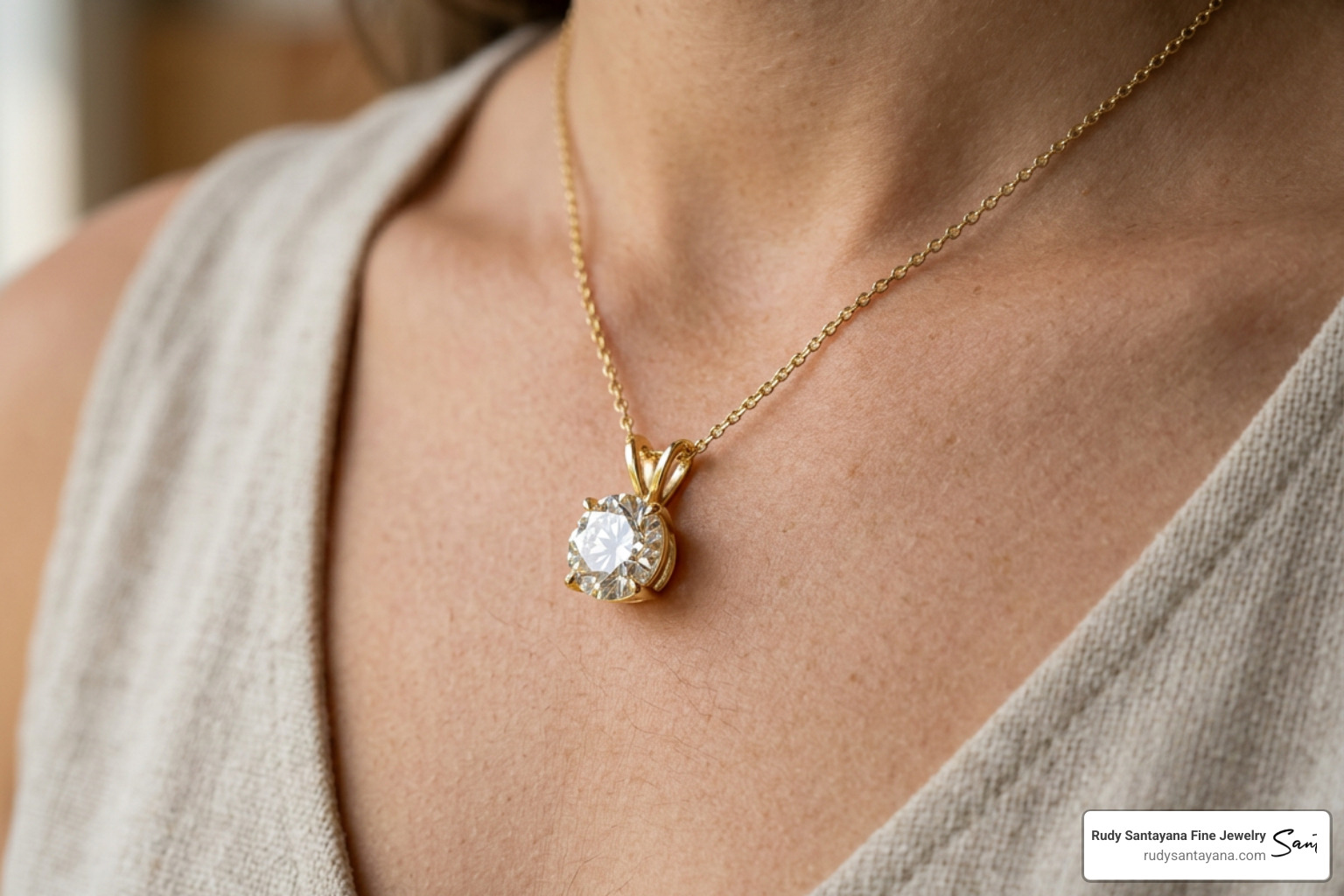
At Rudy Santayana Fine Jewelry, our true passion lies in bringing your exact vision to life. If you want to explore how we create completely unique, handcrafted designs tailored to your style, visit our page on Rudy Santayana Custom Jewelry Designs.
Designing Custom Lab Diamond Jewelry
When you opt for custom jewelry, the design possibilities are virtually limitless. The process of creating a custom piece allows you to be the co-creator of your family heirloom. Here is how we guide our clients through the customization journey:
- Selecting the Perfect Stone: We help you source loose lab-grown diamonds in the exact shape, carat weight, and quality grades you desire.
- Choosing the Metal: Whether you prefer the cool, modern look of platinum, the classic warmth of 18K yellow gold, or the romantic blush of rose gold, we ensure the metal complements your skin tone and stone selection.
- Adding Personal Elements: From custom hidden halos and delicate pave bands to meaningful engravings or a hidden birthstone set inside the band, we focus on the small details that make the piece uniquely yours.
How to Care for Your Lab Diamond Jewelry
Because lab diamonds have a hardness of 10 on the Mohs scale, they are incredibly durable and suited for daily wear. However, like any fine jewelry, they can collect oils from lotions, soaps, and daily activities, which can temporarily dull their sparkle.
To keep your jewelry looking as brilliant as the day you bought it, follow these simple care steps:
- The Gentle Soak: Fill a small bowl with warm water and a few drops of mild dish soap. Let your jewelry soak for 20 to 30 minutes to loosen any dirt.
- The Soft Brush: Use a clean, extra-soft toothbrush to gently scrub the diamond, paying special attention to the hard-to-reach areas underneath the setting where oils tend to accumulate.
- Rinse and Dry: Rinse the piece thoroughly under warm running water (make sure the sink drain is closed!) and pat dry with a soft, lint-free microfiber cloth.
- Professional Check-ups: We recommend bringing your everyday pieces in once a year for a professional inspection. We will check the security of the prongs and give it an ultrasonic cleaning to restore its maximum, fiery brilliance.
Frequently Asked Questions
Buying fine jewelry is a significant emotional and financial decision. Here are answers to some of the most common questions we hear from clients in our Coral Gables showroom.
Do lab-grown diamonds hold their value?
This is one of the most important questions to consider. While lab-grown diamonds offer incredible beauty and structural integrity at a fraction of the cost, their resale market behaves differently than that of natural diamonds. Because lab-grown technology continues to improve and supply has increased, the market value of loose lab diamonds has decreased over time.
If your primary goal is long-term asset wealth or investment liquidity, natural diamonds tend to retain a higher percentage of their initial value. However, if your goal is to maximize your immediate purchasing power to get the largest, most beautiful diamond possible for your budget, lab-grown diamonds offer unmatched value. We always recommend insuring your lab diamond jewelry based on its replacement value so you are protected against loss or theft.
Do lab-grown diamonds get cloudy over time?
No. Because lab-grown diamonds are chemically identical to natural diamonds, they have absolute optical stability. They will never change color, fade, lose their brilliance, or turn cloudy over time.
If your lab diamond ring looks a bit dull after a few weeks of wear, do not worry—this is simply a buildup of household oils, hand lotion, or soap residue on the surface of the stone. A quick clean with warm water and mild soap will instantly restore its original, blinding sparkle.
Can a jeweler tell the difference between lab and natural diamonds?
To the naked eye—and even under a standard jeweler's loupe—it is completely impossible to tell a lab-grown diamond apart from a natural diamond. Even highly experienced gemologists cannot distinguish between the two based on appearance alone.
The only way to tell them apart is by using highly specialized gemological laboratory equipment. This equipment detects minute differences in the diamond's crystal growth patterns and trace elements. Additionally, most certified lab-grown diamonds larger than 0.50 carats feature a microscopic laser inscription on the girdle (the outer edge) containing the grading report number and the words "lab grown," ensuring complete transparency.
Conclusion
The world of fine jewelry is changing, and lab diamond jewelry is leading the way into a brilliant, modern future. By combining the timeless beauty of diamond crystals with cutting-edge scientific innovation, you no longer have to choose between luxury, ethics, and budget.
At Rudy Santayana Fine Jewelry in Coral Gables, we pride ourselves on exceptional craftsmanship, innovative custom designs, and unparalleled customer service. Whether you want to design a breathtaking custom engagement ring or find the perfect everyday accessory, our team is here to guide you every step of the way.
Ready to see the magic of these modern gems in person? Explore our stunning collection of lab diamonds and let us help you craft a piece that shines as brightly as your future.