How to Choose the Perfect 14k Gold Emerald and Diamond Necklace
Why an Emerald and Diamond Necklace Is One of the Most Coveted Fine Jewelry Pieces
An emerald and diamond necklace is one of the most timeless and striking pieces you can own or gift. Whether you're drawn to the deep green of a Colombian emerald or the brilliance of a diamond-set pendant, knowing what to look for makes all the difference.
Here's a quick snapshot of what to consider:
| Factor | What to Look For |
|---|---|
| Emerald quality | Color depth, clarity, origin (Colombian preferred) |
| Diamond type | Natural vs. lab-grown; cut style (emerald-cut, round brilliant) |
| Metal | 14k or 18k yellow, white, or rose gold |
| Chain length | 16-18" for everyday wear; 20-24" for layering |
| Price range | ~$1,100 (entry-level) to $370,000+ (vintage/auction pieces) |
| Certification | IGI, AGL, or GIA documentation |
Prices span a wide range. A simple 14k gold emerald and diamond pendant starts around $1,100, while rare Victorian pieces with 42 carats of emeralds have sold at auction for over $300,000.
The right piece depends on your style, budget, and how you plan to wear it. This guide walks you through everything — from gemstone quality to the hottest 2026 design trends — so you can shop with confidence.
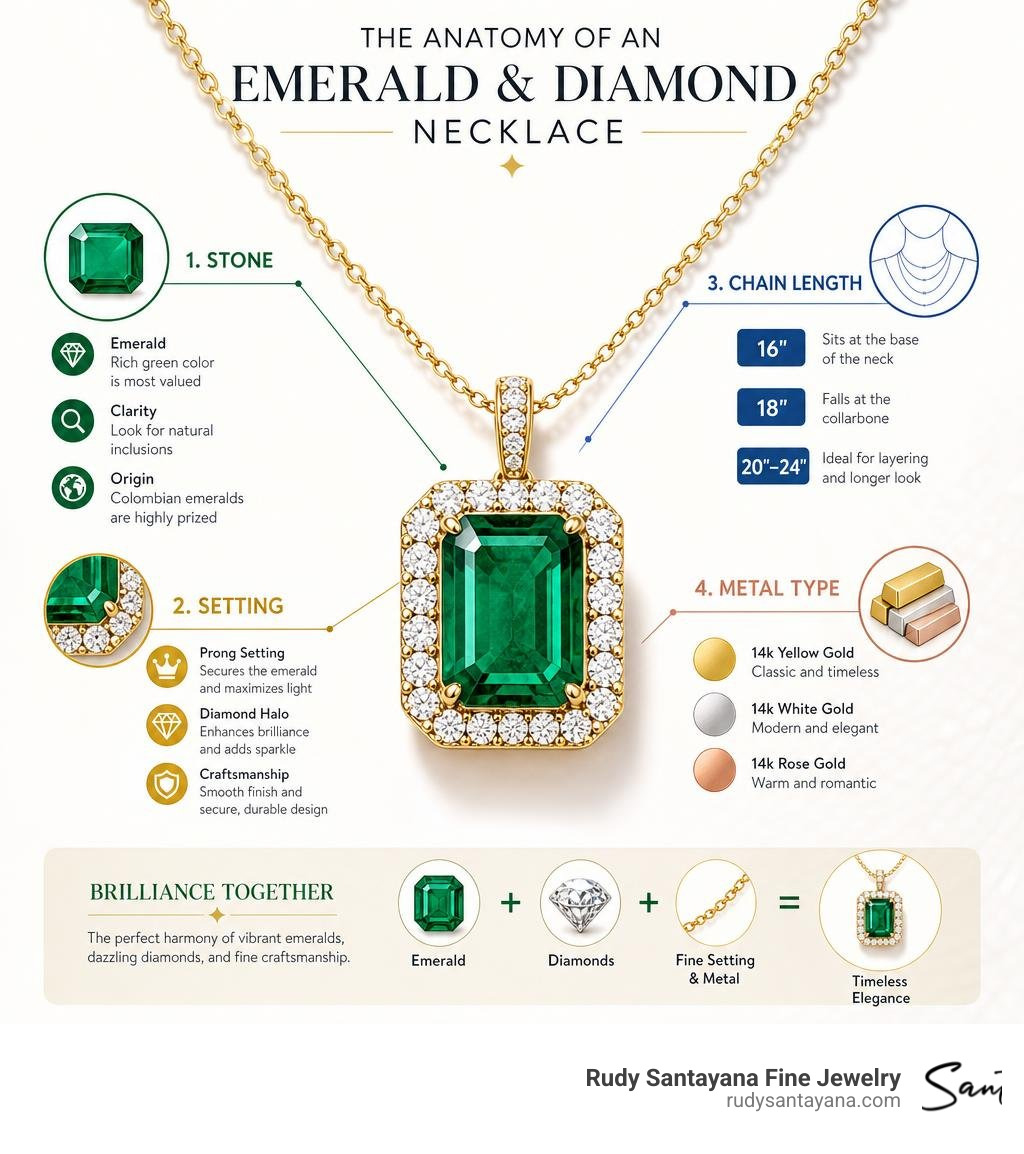
Essential Factors for Selecting an Emerald and Diamond Necklace
When embarking on the journey to acquire an emerald and diamond necklace, navigating the options can feel both exciting and overwhelming. To make an informed decision, it helps to understand how the components of your necklace—from the gemstones to the precious metal—interact to create a cohesive piece.
One of the first decisions you will face is choosing between natural and lab-grown gemstones. Both options offer striking beauty, but they differ significantly in origin, price, rarity, and environmental footprint.
| Feature | Natural Emeralds & Diamonds | Lab-Grown Emeralds & Diamonds |
|---|---|---|
| Origin | Mined from the earth over millions of years | Created in controlled laboratory environments |
| Price Point | Premium pricing; highly dependent on rarity and origin | Highly accessible; often 30% to 70% less than natural counterparts |
| Inclusions | Natural "jardin" (fingerprint inclusions) are common | Fewer structural inclusions; highly controlled clarity |
| Sustainability | High environmental and labor footprint unless strictly certified | Lower carbon footprint; often produced using renewable energy |
| Resale Value | Retains significant long-term and antique value | Minimal long-term resale value; valued for immediate wear |
Carat Weight and Visual Impact
Carat weight measures the mass of your gemstones, but it is important to remember that visual impact is also heavily influenced by the cut and setting. For example, a 1.20-carat emerald-cut stone can appear larger than a round brilliant stone of the exact same weight because of its broad, flat table.
When shopping for an emerald and diamond necklace, you will find everything from delicate everyday pendants featuring a 0.20-carat accent diamond up to jaw-dropping statement necklaces. In the luxury market, prices scale exponentially with carat weight. For instance, a lab-grown emerald-cut diamond necklace containing 15 carats of total weight may retail around $8,900, whereas a natural diamond necklace of 30 carats can easily command $55,000 or more.
Selecting the Perfect Metal Type
The metal you choose serves as the canvas for your green emeralds and sparkling white diamonds. Each option brings out different qualities in the gemstones:
- Yellow Gold (14k or 18k): Yellow gold is the traditional partner for emeralds. The warm undertones of yellow gold beautifully complement the rich, leafy greens of the emerald, creating a classic, royal aesthetic. 14k yellow gold is highly favored for everyday necklaces due to its durability, while 18k gold offers a richer, more saturated yellow hue.
- White Gold (14k or 18k) and Platinum: If you prefer a sleek, contemporary look, white gold or platinum is the way to go. The cool, bright white background makes diamonds sparkle with icy brilliance and allows the vivid green of the emerald to pop dramatically. Often, designers will use a two-tone approach—such as setting diamonds in white rhodium-plated prongs while keeping the rest of the necklace in yellow gold—to maximize the optical beauty of both stones.
- Rose Gold: For a romantic, vintage-inspired vibe, rose gold offers a soft pinkish glow. While less traditional for emeralds, the contrast between the blush metal and the green gemstone creates a unique, artistic statement.
Finding Your Ideal Chain Length
The length of your necklace chain dictates where the focal gemstone rests on your body, influencing which necklines it pairs with best.
- 16 to 18 Inches: This is the most universally flattering length range. An 18-inch chain sits gracefully right at or just below the collarbone, making it perfect for V-necks, scoop necks, and button-down shirts. It is the ideal choice if you are buying a gift and are unsure of the recipient’s exact preference.
- 20 to 24 Inches: Longer chains create a bolder, dramatic statement. They drape beautifully over high-neck sweaters or evening gowns and are the perfect foundation for layering multiple necklaces of varying lengths.
The Importance of Gemstone Certification
Because high-quality emeralds and diamonds represent a significant investment, independent certification is crucial. Reputable gemological laboratories—such as the Gemological Institute of America (GIA), the International Gemological Institute (IGI), and the American Gemological Laboratories (AGL)—provide unbiased grading reports. These certificates verify the stone's authenticity, carat weight, color, clarity, and whether any artificial treatments have been applied. Always ask for certification to ensure you are getting exactly what you pay for.
Understanding Emerald Quality and Origins
Emeralds are members of the beryl mineral family, drawing their mesmerizing green hues from trace amounts of chromium, vanadium, and iron. Unlike diamonds, where flawless clarity is the gold standard, emeralds are celebrated for their unique internal characteristics.
Nearly all natural emeralds contain tiny fractures, liquid bubbles, and mineral crystals trapped inside during their formation deep within the earth. Gemologists refer to these inclusions as the jardin (French for "garden") because they resemble delicate, mossy foliage. Rather than detracting from the stone's value, a beautiful jardin proves the emerald is natural and gives each gemstone its own unique fingerprint.
To improve clarity and protect these delicate stones, the jewelry industry has used traditional clarity enhancement methods for centuries. The most widely accepted method is treating the emerald with natural oils, such as cedarwood oil. The oil seeps into the microscopic surface-reaching fractures, making them less visible to the naked eye and enhancing the overall transparency of the stone.
Historically, the world's finest emeralds hail from the rugged mountains of Colombia. Colombian emeralds are legendary for their warm, glowing, slightly bluish-green color and exceptional purity. Because of their prestigious origin, Colombian emeralds command a significant premium at auctions and high-end boutiques. For instance, an Agl Certified Emerald Diamond Necklace In 18k White Gold Auction showcasing seven premier Colombian emeralds totaling over 66 carats was valued between $536,718 and $697,733.
At Rudy Santayana Fine Jewelry, we believe that choosing an emerald is a deeply personal experience. Whether you are looking for an ethically sourced natural Colombian emerald or a pristine lab-grown stone, our custom design team in Coral Gables works closely with you to select a gemstone that matches your aesthetic and values. We source only beautifully cut, ethically mined, and certified gemstones to ensure your custom Certified Emerald and Diamond Necklaces at Rudy Santayana remains a treasured family heirloom for generations.
Choosing the Right Diamond Cut for Your Emerald and Diamond Necklace
The cut of the diamonds surrounding or accenting your emerald plays a major role in defining the overall style of your necklace. Different diamond shapes interact with light in distinct ways, allowing you to customize the personality of your piece.
- Emerald-Cut: Characterized by rectangular, step-cut facets that run parallel to the stone's girdle, the emerald-cut diamond offers a hall-of-mirrors effect. It prioritizes clarity and luster over raw sparkle, delivering a sophisticated, vintage architectural look. An emerald-cut emerald and diamond pendant necklace is a striking choice, aligning the clean lines of both the emerald and the diamond cuts for a harmonious, classic design.
- Round Brilliant: If your goal is maximum fire and brilliance, round brilliant diamonds are the ultimate choice. With 58 facets engineered to bounce light in every direction, a halo of round brilliant diamonds surrounding a central emerald creates a breathtaking contrast, making the rich green center stone appear even more vibrant.
- Marquise Cut: Featuring an elongated shape with pointed ends, the marquise cut offers dramatic flair. When used as accent stones in an emerald and diamond necklace, marquise diamonds can mimic the look of delicate leaves or floral petals, adding an organic, romantic touch to the design.
If you have a specific vision in mind, our design experts can help you bring it to life. Through our specialized Rudy Santayana Emerald Cut Designs service, we guide you through selecting the perfect combination of diamond shapes and settings to create a one-of-a-kind masterpiece right here in South Florida.
Popular Styles and Design Trends for 2026
Fashion in 2026 is all about personalization, versatility, and self-expression. The jewelry world has fully embraced these concepts, resulting in a beautiful mix of modern minimalism and bold, vintage-inspired statements.

Whether you are dressing up for a formal gala in Miami or styling a casual weekend outfit, there is an emerald and diamond necklace design to suit every occasion:
- Solitaire Pendants: A single, striking emerald or diamond suspended from a delicate 14k gold chain remains the ultimate everyday classic. This style is minimalist, elegant, and pairs effortlessly with everything from a casual white t-shirt to a formal evening dress.
- Layered Chains: One of the most prominent trends of 2026 is wearing multiple layered necklaces of varying lengths, textures, and even metal colors. Mixing a short, delicate 16-inch emerald solitaire pendant with a longer 20-inch gold paperclip chain or a diamond tennis necklace creates a chic, curated look.
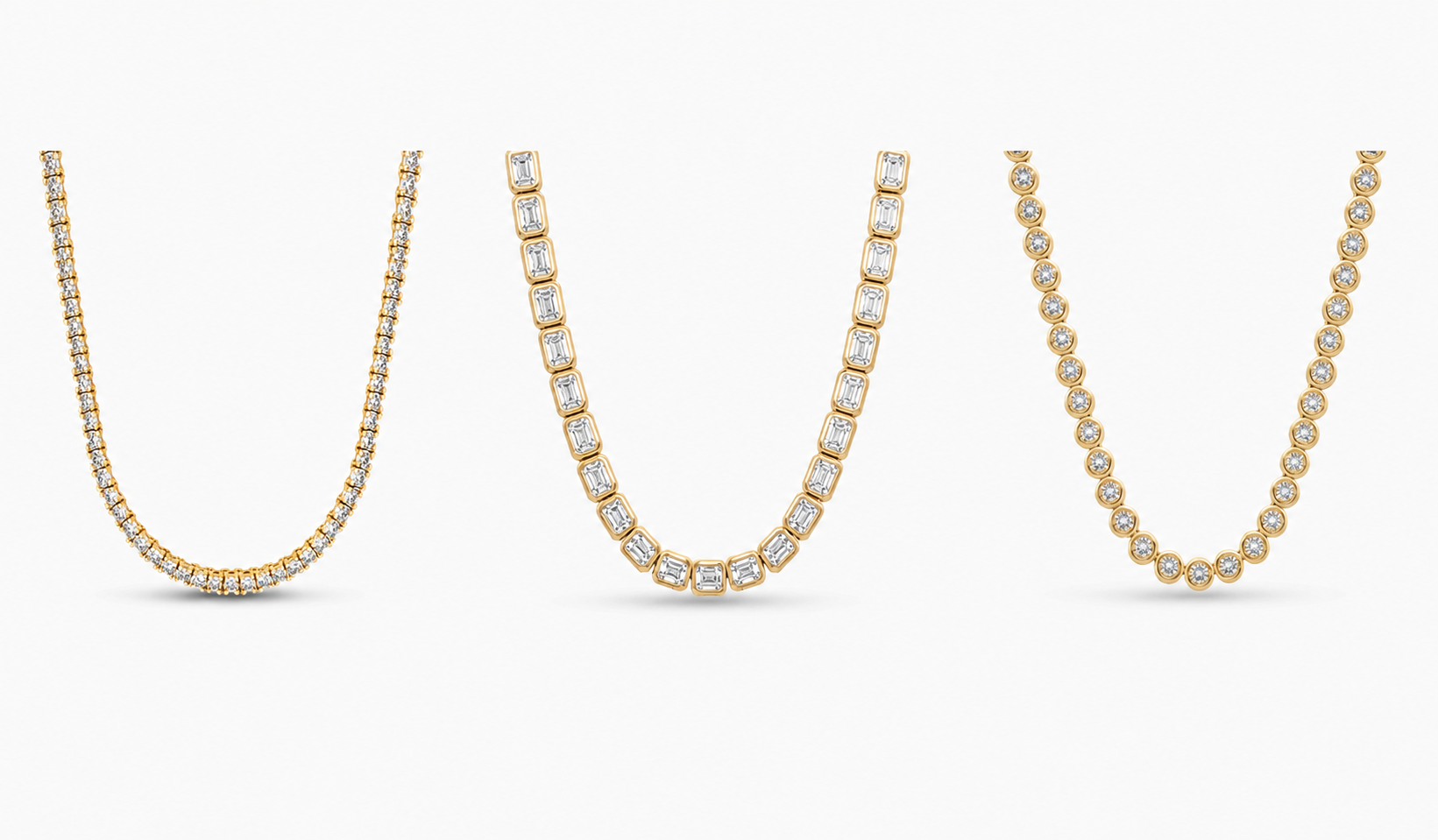
- Tennis Styles: A continuous line of gleaming gemstones, the tennis necklace has received a colorful update. Modern styles intersperse vibrant green emeralds among brilliant white diamonds, creating a continuous wave of color and light around the neckline.
- Statement Pieces: For those special milestone moments, bold statement necklaces featuring intricate metalwork, multi-carat drop emeralds, and elaborate diamond halos offer unmatched luxury. These pieces are designed to turn heads and capture attention.
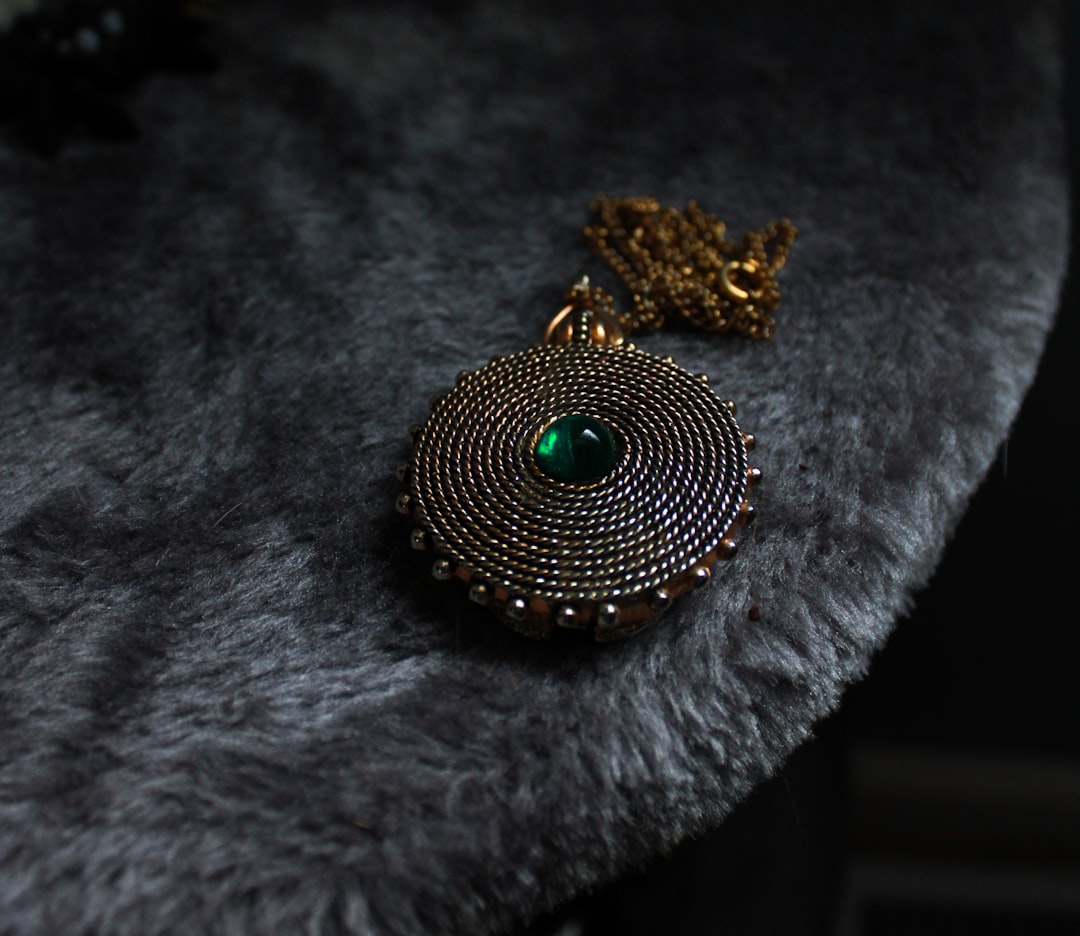
- Vintage Designs: Antique aesthetics continue to capture the hearts of modern jewelry lovers. Victorian-style mixed metal settings (combining silver and gold), delicate milgrain detailing, and hand-engraved elements bring a sense of history and romance to contemporary wardrobes.
The Rise of the Emerald and Diamond Necklace in Modern Fashion
As we look at the style landscape of 2026, the emerald and diamond necklace has solidified its place as a staple of modern fashion. No longer reserved solely for black-tie galas or red-carpet events, these necklaces are being styled in incredibly versatile, everyday ways.
Current trends lean heavily into mixing metals—such as pairing yellow gold chains with platinum-set diamond pendants—and experimenting with asymmetry. Minimalist bezel settings, which encase the gemstone in a sleek protective rim of gold, have become incredibly popular for their clean, modern look and practical durability.
This evolution of fine jewelry as an everyday luxury is beautifully captured in local culture. As noted in the article Jewelry, A Joy Forever - Coral Gables Magazine, fine jewelry is shifting from pieces tucked away in a safe to wearable art that brings joy to daily life. Whether walking down the tree-lined streets of Coral Gables or attending an outdoor event in Miami, a touch of vibrant green emerald paired with the sparkle of diamonds perfectly matches the bright, tropical energy of South Florida.
Care and Maintenance of Fine Gemstone Jewelry
While diamonds are famous for being the hardest natural substance on earth, emeralds require a bit more tender loving care. Emeralds have a hardness of 7.5 to 8 on the Mohs scale, which means they can be scratched by harder materials like diamonds or sapphires. Furthermore, because of their natural inclusions and traditional oil treatments, they are sensitive to extreme heat, pressure, and harsh chemicals.
To keep your emerald and diamond necklace looking as brilliant as the day you first wore it, follow these essential care and maintenance steps:
- Clean with Gentle Care: Never use ultrasonic cleaners, steam cleaners, or boiling water on emerald jewelry, as these methods can strip away the natural oils filling the stone's fractures, leaving the emerald looking dull and cloudy. Instead, wash your necklace by hand in a bowl of warm, mild soapy water. Use a very soft-bristled toothbrush to gently clean behind the settings where dirt and oils accumulate.
- Rinse and Dry Thoroughly: Rinse the necklace in a bowl of clean, lukewarm water (avoid running tap water over an open sink, as slippery jewelry can easily find its way down the drain!). Dry the piece gently with a soft, lint-free microfiber cloth.
- Store Separately: To prevent scratches, store your emerald and diamond jewelry in its own fabric-lined compartment, a soft pouch, or wrapped in a soft cloth. Never let your emeralds rub against harder gemstones like diamonds or sapphires.
- Avoid Harsh Chemicals and Activities: Always remove your necklace before swimming in chlorinated pools, soaking in hot tubs, cleaning with household chemicals, or exercising. Cosmetics, hairsprays, perfumes, and lotions can also dull the brilliance of your gemstones. A good rule of thumb is to make your jewelry the very last thing you put on in the morning and the very first thing you take off at night.
- Schedule Professional Inspections: At least once a year, bring your necklace to a trusted local jeweler. A professional can check the security of the prongs, ensure the clasp is working perfectly, and determine if the emerald needs to be safely cleaned or professionally re-oiled to restore its deep, radiant glow.
Frequently Asked Questions About Emerald and Diamond Necklaces
What is the difference between natural and lab-grown emeralds?
Natural and lab-grown emeralds share the exact same chemical, physical, and optical properties. The primary difference lies in their origin. Natural emeralds are mined from the earth and feature organic, unique inclusions (jardin) formed over millions of years, making them highly rare and valuable.
Lab-grown emeralds are grown in controlled laboratory environments that mimic nature's high-pressure, high-temperature conditions. Because they can be produced on demand, lab-grown emeralds are significantly more affordable and have fewer inclusions, making them an excellent choice for buyers seeking pristine clarity and ethical peace of mind on a budget.
How do I choose the correct chain length for my necklace?
The best chain length depends on your personal style and the necklines you wear most often. A 16-to-18-inch chain is the most versatile and universally flattering choice, resting elegantly near the collarbone. This length is perfect for framing the face and works beautifully with almost any outfit.
If you love the layered look or prefer a more dramatic drop, opt for a 20-to-24-inch chain, which drapes beautifully over higher necklines and clothing.
Is it safe to wear an emerald and diamond necklace every day?
Yes, you can absolutely wear your emerald and diamond necklace every day, provided you take a few simple precautions. Because emeralds are more delicate than diamonds, look for protective settings like bezels or sturdy multi-prong baskets that shield the edges of the gemstone from accidental bumps. Be sure to remove your necklace before engaging in rough physical activities, swimming, or applying beauty products, and clean it regularly using gentle, safe methods.
Conclusion
Choosing the perfect emerald and diamond necklace is a beautiful journey of matching gemstone quality, personal style, and expert craftsmanship. Whether you are captivated by the historic allure of a natural Colombian emerald or the modern brilliance of a custom lab-grown design, the right necklace is a powerful statement of elegance that will shine for a lifetime.
At Rudy Santayana Fine Jewelry, we specialize in bringing your unique jewelry dreams to life. Based in the heart of Coral Gables, Florida, our talented artisans design and handcraft exquisite, innovative pieces tailored to your exact specifications. From choosing the perfect 14k gold setting to hand-selecting certified gemstones, we are dedicated to providing superior customer service every step of the way.
Ready to find or design your dream necklace? Schedule a consultation with our jewelry agents today, and let us help you create a breathtaking piece of wearable art.