5 Things Jewelers Won't Tell You About Buying a Lab Grown Diamond Solitaire
1. What Dictates the Value of a Lab Grown Diamond Solitaire?
When buying a lab grown diamond solitaire, the key considerations are prioritizing ideal cut proportions over carat weight, securing independent grading certification, choosing structurally sound band architecture, and selecting durable hypoallergenic metals. These factors determine how brilliant, secure, and comfortable your ring will be for everyday wear.
Many assume that carat weight alone dictates a diamond's appearance and value. However, two stones with the exact same weight can look entirely different on your finger depending on their cut proportions.
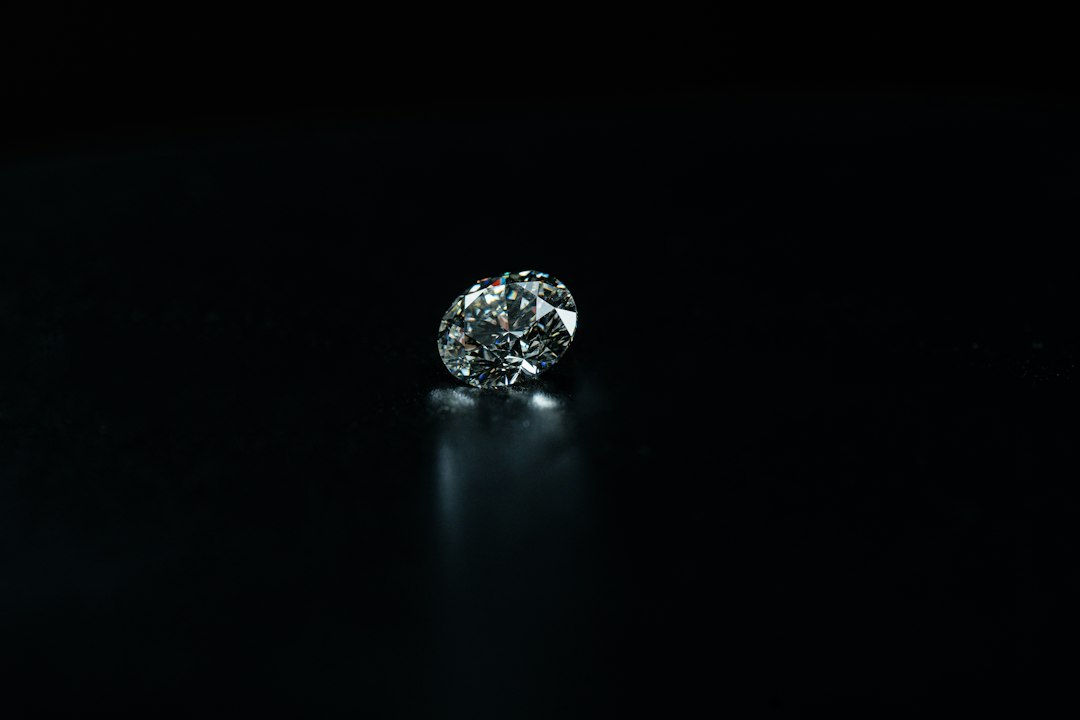
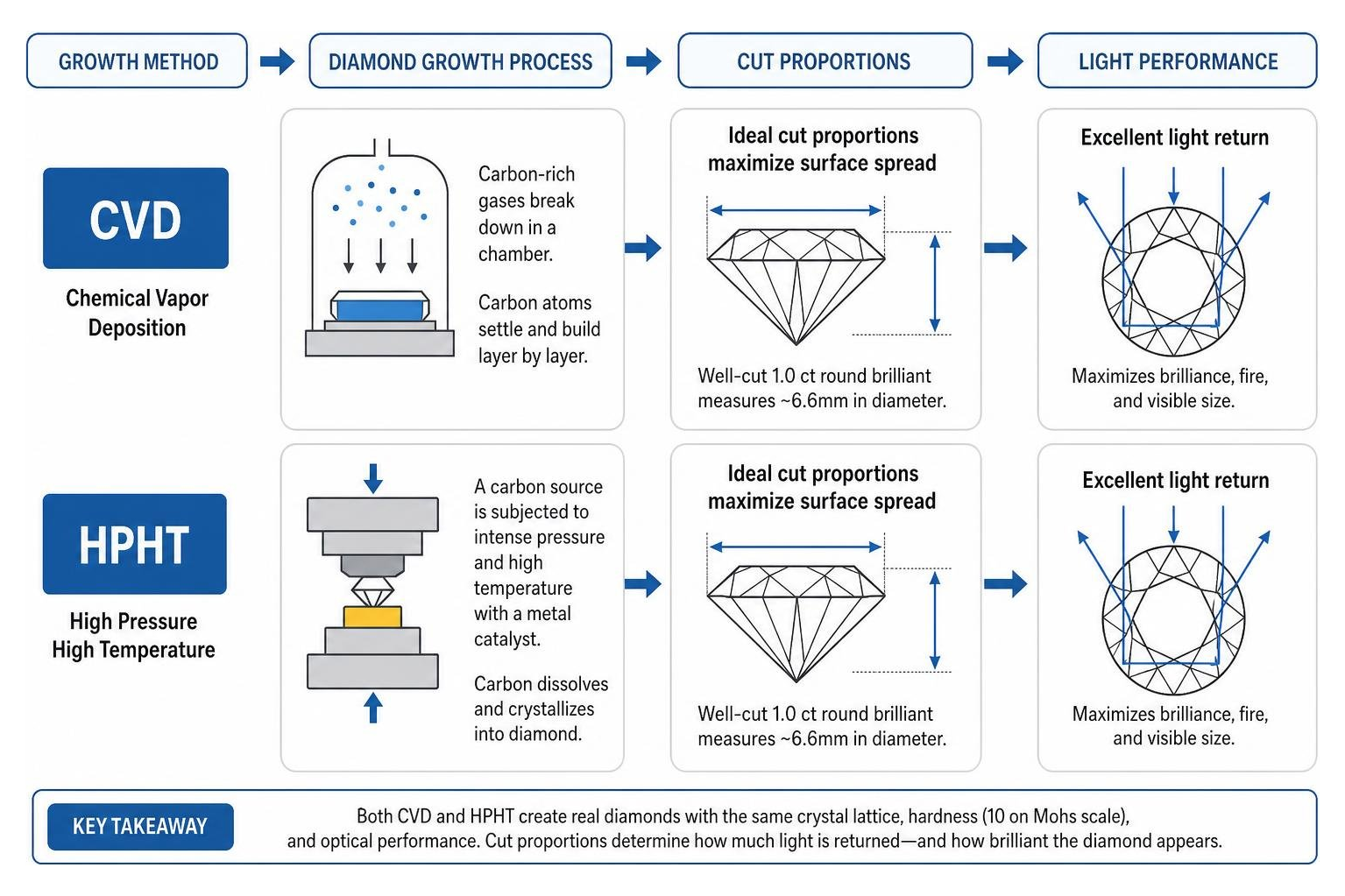
A well-cut 1.0 carat round brilliant diamond typically measures around 6.6mm in diameter. If a diamond is cut too deep, that carat weight hides beneath the setting where nobody sees it, resulting in a stone that looks smaller than its actual weight. Conversely, a stone cut with ideal proportions maximizes its surface spread and light return, giving you the dazzling brilliance you expect.
Lab grown diamonds are created using advanced technological processes—primarily Chemical Vapor Deposition (CVD) and High Pressure High Temperature (HPHT). These methods replicate the intense heat and pressure found deep within the Earth, allowing carbon atoms to crystallize into an authentic carbon crystal lattice. Chemically, physically, and optically, they are genuine diamonds.
To better understand how these characteristics come together, here is a quick overview of what dictates diamond performance and value:
| Factor | Lab Grown Diamond Details | Impact on Solitaire Quality |
|---|---|---|
| Crystal Lattice | Pure carbon arranged in an isometric crystal system | Delivers the identical hardness (10 on Mohs scale) and sparkle as mined stones |
| Growth Method | HPHT or CVD | Dictates clarity, growth graining, and internal purity |
| Cut Proportions | Table percentage, depth percentage, crown angles | Determines brilliance, fire, and the visible 6.6mm diameter for a 1 ct stone |
| Pricing Structure | Free from mining overhead and complex distribution layers | Exceptional value per carat without compromising optical performance |
Understanding lab diamond rings vs real counterparts reveals that modern laboratory methods yield stunning stones with identical optical qualities. When planning your purchase, evaluating the cost of lab diamonds helps you prioritize cut precision and clarity over sheer carat weight alone.
2. The Certification Reality: Grading Standards and Diamond Quality
Not all grading certificates carry the same weight, and the grading standard behind your stone is just as crucial as its 4Cs (Cut, Color, Clarity, and Carat weight).
When shopping for everyday wear or an engagement ring, stones in the SI (Slightly Included) clarity range and G-H color range often provide the ideal balance between eye-clean visual beauty and budget efficiency. In a G-H color grade, the diamond appears bright white in classic settings, while SI clarity ensures any microscopic inclusions remain invisible to the naked eye.
To navigate these grading nuances with confidence, reviewing a detailed lab diamond ring buying guide ensures you understand how clarity plots and color scales translate to what you see on your hand.
Why Certification Matters for Your Lab Grown Diamond Solitaire
Independent lab verification from reputable gemological institutes (such as SGL, IGI, or GIA) gives you documented proof of your stone's quality attributes:
- Diamond Authenticity: Verifies that your stone is an authentic diamond created through documented laboratory processes rather than a simulant like cubic zirconia or moissanite.
- Optical Symmetry and Polish: Confirms that light refraction, crown angles, and pavilion depths meet strict proportional guidelines for maximum sparkle.
- Grading Consistency: Protects you against artificial grade inflation, ensuring the clarity and color you paid for match genuine industry benchmarks.
- Resale and Insurance Transparency: Provides an official record required for insurance appraisals and long-term documentation.
According to the Gemological Institute of America, laboratory-grown diamonds are graded using the same internationally recognized 4Cs standards applied to mined diamonds, which helps ensure consistent quality assessment across the industry.
3. Band Engineering: Openwork Lattice Architecture and Durability
The setting that holds your diamond is far more than a simple decorative element—it is an architectural foundation. A popular design style in modern solitaire mountings is the openwork lattice band. This style incorporates delicate cutouts and interwoven patterns beneath or along the ring shank, creating dimension, charm, and an airy aesthetic.

While openwork bands offer architectural beauty and allow ample ambient light into the diamond's pavilion, structure matters. A ring with a total metal weight around 1.42 grams is wonderfully lightweight, but it requires precise prong engineering and durable casting to protect your stone against daily impacts. Choosing pieces from a thoughtfully crafted lab diamond jewelry line ensures the structural elements are engineered to withstand everyday wear while maintaining their refined profile.
Sizing and Band Architecture in a Lab Grown Diamond Solitaire
Ring sizing is critical, especially when selecting intricate band patterns:
- Intricate Patterns: Bands with complex openwork or continuous lattice patterns can be difficult to resize significantly after production without interrupting the continuous visual symmetry.
- Accurate Measurements: Always determine your ring size accurately before finalizing your order. Modern sizing charts map inner circumference measurements (such as 46.8mm up to 68.5mm across standard size ranges) to help you find your exact fit.
- Ordering Guidance: If your exact size is temporarily unavailable, consult with your jeweler regarding custom sizing or pre-order options rather than attempting an aggressive post-purchase resize that could distort the delicate gallery.
4. Metal Alloys and Skin Health: Choosing a Ring Metal
The metal alloy you choose directly affects daily comfort, durability, and skin compatibility. Common jewelry metals include various karats of white gold, yellow gold, rose gold, and platinum.
When selecting a metal for sensitive skin:
- Hypoallergenic Formulations: Nickel-free alloys and lower-reactive white golds provide tarnish-resistant wear and protect sensitive skin from irritation or allergic contact dermatitis.
- Durability for Daily Wear: While higher-karat golds (such as 18K) are softer and richer in pure gold content, lower-karat options or specialized alloy blends offer greater hardness and scratch resistance for active lifestyles.
- Tarnish Resistance: High-quality white gold alloys maintain their crisp, silvery luster over years of use when properly cared for.
Whether you are exploring our broader engagement rings or customizing an oval cut lab diamond ring, selecting the appropriate metal alloy ensures your ring remains comfortable every day.
5. Pricing Benchmarks, Ethical Sourcing, and Maintenance Logistics
Lab grown diamond solitaires have made luxurious, high-clarity designs accessible at exceptional price points. While a traditional mined 1-carat diamond ring can cost several thousand dollars, a certified 1-carat lab diamond solitaire in a quality gold mounting often retails for an accessible fraction of that price—frequently starting under £500 to $1,000 depending on metal karatage and design complexity.
In addition to affordability, lab grown diamonds offer transparent, conflict-free origins. Laboratory creation avoids land excavation and heavy mining disruption, providing an ethical choice for modern couples.
Caring for Your Solitaire
To keep your solitaire looking as brilliant as the day you received it, follow this simple maintenance process:
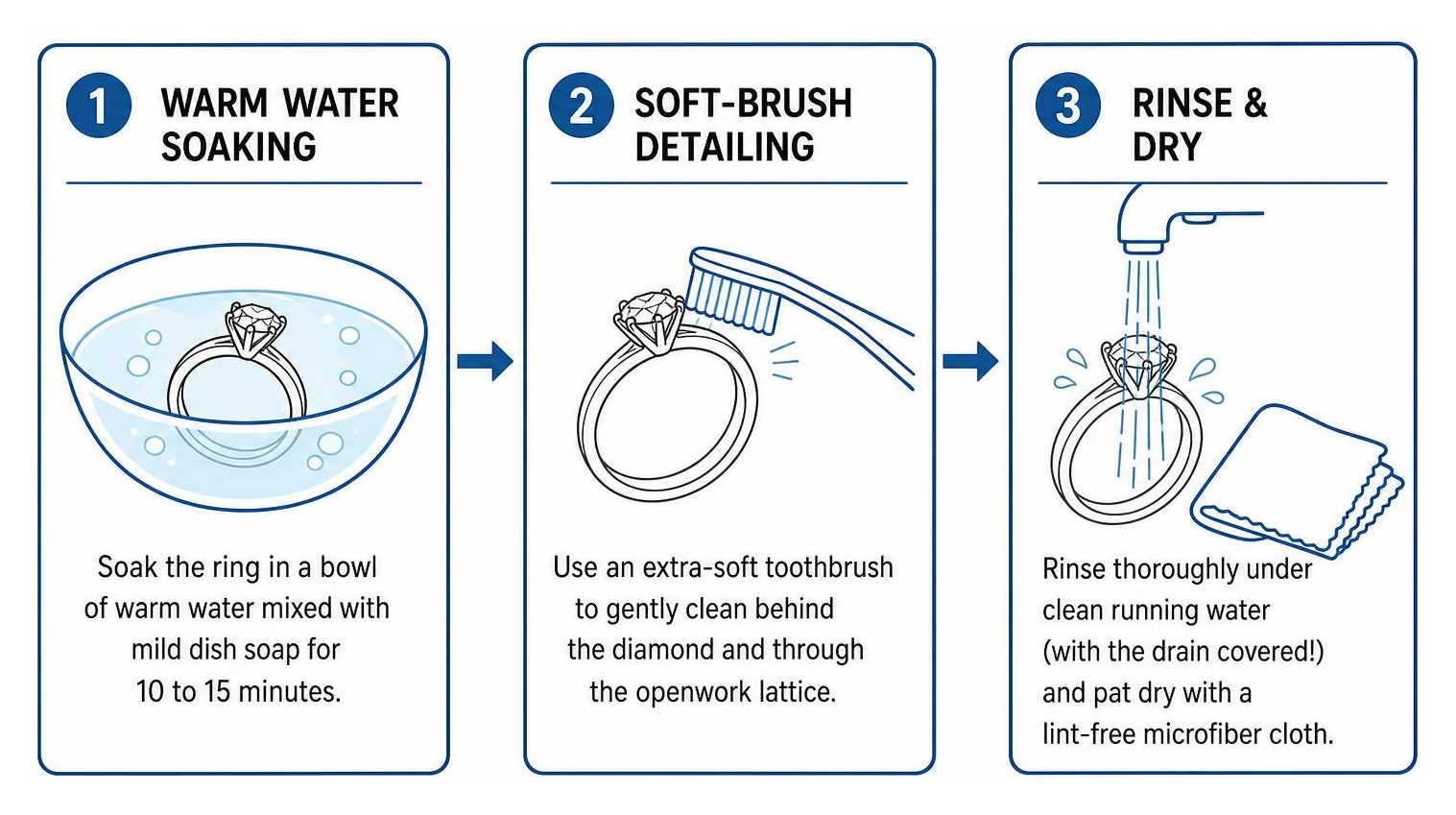
- Gentle Cleaning: Soak the ring in a bowl of warm water mixed with mild dish soap for 10 to 15 minutes.
- Soft Brushing: Use an extra-soft toothbrush to gently clean behind the diamond and through the openwork lattice.
- Rinse & Dry: Rinse thoroughly under clean running water (with the drain covered!) and pat dry with a lint-free microfiber cloth.
- Avoid Harsh Chemicals: Keep your ring away from chlorine, bleach, and abrasive household cleaners, which can degrade metal alloys over time.
For couples looking to create a one-of-a-kind setting with these ethical stones, you can design your own diamond engagement rings to tailor every detail from prong count to band architecture.
Frequently Asked Questions
How hard and brilliant is a 1 carat lab grown diamond?
A 1 carat lab grown diamond possesses the exact same physical and optical properties as a mined diamond. It ranks at a 10 on the Mohs scale of mineral hardness, making it exceptionally scratch-resistant and durable for everyday wear. Its refractive index (2.42) produces identical brilliance, scintillation, and fire.
How do I accurately determine my ring size before ordering online?
Measure the inner circumference of a well-fitting ring or use a standard jeweler's sizing belt. Solitaire bands with openwork or intricate galleries are best ordered in your exact size to preserve the ring's symmetry and structural integrity.
Can ring metals cause irritation for sensitive skin or tarnish over time?
Certain metal alloys containing nickel can trigger skin sensitivities. Opting for hypoallergenic, nickel-safe white gold, yellow gold, or platinum ensures comfortable, irritation-free wear while offering excellent resistance against daily tarnish and wear.
Are lab grown diamonds considered real diamonds?
Yes. Lab grown diamonds are chemically, physically, and optically identical to mined diamonds. They are composed of pure carbon in the same crystal structure and are graded using the same 4Cs standards, making them genuine diamonds rather than simulants.
Conclusion
A lab grown diamond solitaire offers a timeless combination of classic style, ethical creation, and remarkable value. By understanding how cut proportions, independent certification, band architecture, and metal choices influence everyday wear, you can select a ring that will look stunning for decades to come.
At Rudy Santayana Fine Jewelry in Coral Gables, FL, we take pride in handcrafted, personalized designs tailored to your unique story. To deepen your understanding of modern diamond choices, explore our definitive guide to lab diamonds and discover the perfect piece for your journey.